FCL Coin Listing on Binance: Updates, Timeline & How to Use It
FCL (Fractal) has been a topic of increasing interest within the cryptocurrency community, largely due to its role in the decentralized storage and content delivery network. One of the most frequently asked questions by holders and potential investors is whether FCL will be listed on Binance, the world’s largest cryptocurrency exchange by trading volume. This article provides an update on the current status of FCL, possible timelines for a Binance listing, and a practical guide on how to use FCL once it becomes available.
As of now, Binance has not officially announced a specific listing date for FCL. However, the community often speculates based on project milestones, exchange listing patterns, and on-chain activity. Binance typically lists tokens that demonstrate strong liquidity, active development, and a clear use case. FCL, as a utility token for decentralized storage and network infrastructure, aligns with these criteria. While no date has been confirmed, industry analysts suggest that a listing could occur after the project completes a major network upgrade or reaches a certain threshold of decentralized application (dApp) integration.
To track potential developments, users should monitor the official Binance listing announcements, the FCL project’s Twitter account, and their official blog. Often, Binance will issue a "Launchpool" or "Initial Exchange Offering" (IEO) announcement a few days before a token goes live. If FCL is selected for a Binance Launchpool, holders would be able to stake FCL or other tokens to earn rewards. If it is a direct listing, the token will simply appear in the spot market. The most reliable source is the Binance Research page and the exchange’s official news channel.
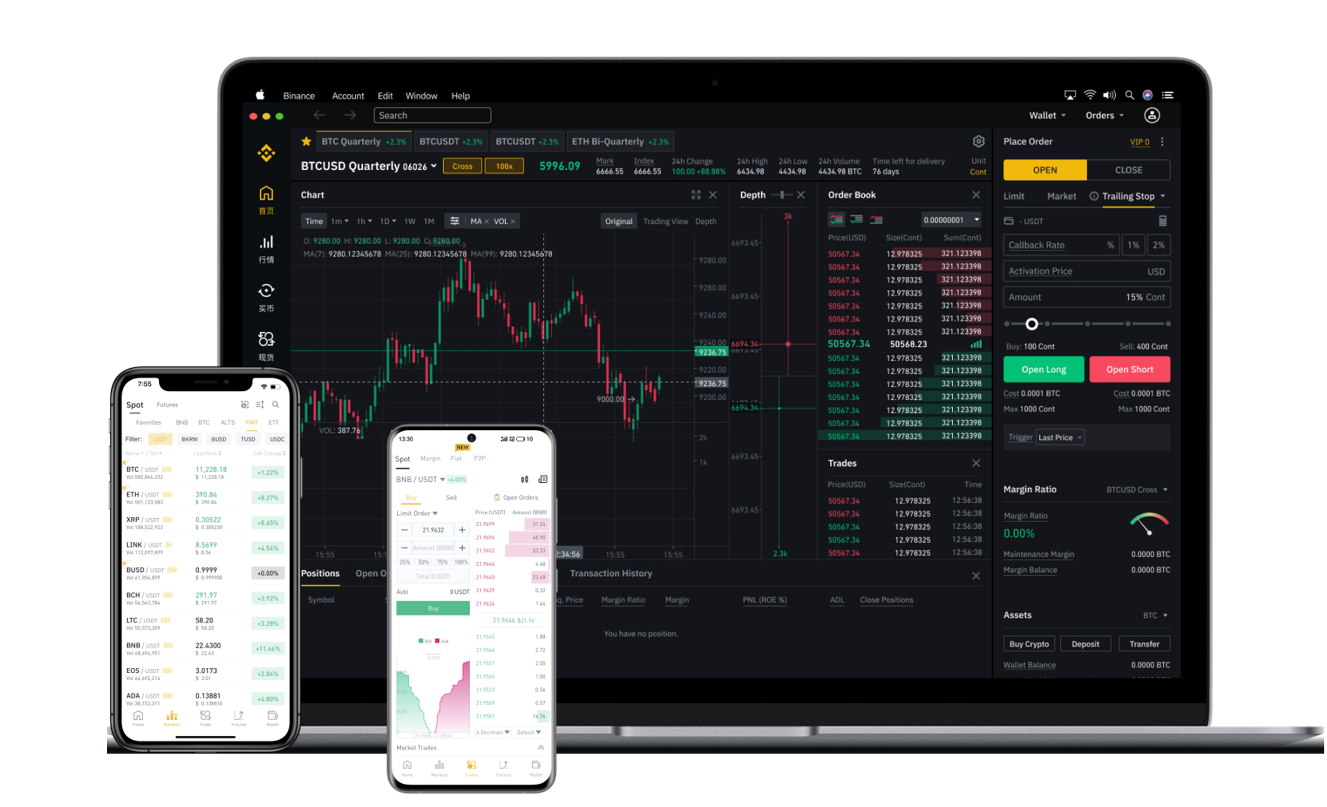
If FCL is listed on Binance, using it follows the standard process for any supported token. First, you need a verified Binance account. Once logged in, navigate to the "Markets" section and search for FCL (e.g., FCL/USDT or FCL/BTC pair). After the trading pair opens, you can place a market order for immediate purchase or a limit order to buy at a specific price. Storing your FCL is straightforward: you can keep it in your Binance spot wallet for trading, or withdraw it to a compatible non-custodial wallet like MetaMask or Trust Wallet. For long-term storage, hardware wallets like Ledger or Trezor offer maximal security, provided they support the network FCL is built on (likely a DePIN layer or Ethereum-compatible sidechain).
Beyond trading, FCL has utility within the Fractal network. Once you hold FCL, you can use it to pay for storage services, participate in network governance, or stake it to earn passive income. The specific features available depend on the project's roadmap and the exchange’s integration depth. For example, if Binance supports staking or lending, you might be able to lock your FCL for yields directly on the exchange. Always verify the staking conditions and the lock-up period before committing your tokens.
In summary, while no official Binance listing date for FCL has been confirmed, the potential remains high given the growing interest in DePIN (Decentralized Physical Infrastructure Networks) projects. Users should stay tuned to official Binance and Fractal channels for the latest updates. In the meantime, you can prepare by creating a Binance account, setting up a secure wallet, and understanding the basic mechanics of buying and storing FCL. The key takeaway is to remain cautious of rumors and always verify information from official sources before making any investment decisions.