How to Use Binance in Canada: A Step-by-Step Guide for Secure Crypto Trading

As cryptocurrency adoption grows worldwide, many Canadian users are exploring how to operate Binance, one of the world’s largest crypto exchanges. However, due to regulatory restrictions in Ontario and other provinces, the process has changed significantly. This article provides a clear, step-by-step guide on how Canadians can still access Binance, create an account, deposit funds, and trade securely.
First, understand the current regulatory landscape. In 2021, the Ontario Securities Commission (OSC) cracked down on Binance for operating without registration. As a result, Binance restricted access for users in Ontario. However, residents in other provinces like British Columbia, Alberta, or Quebec can still use the platform, though they must complete enhanced verification. Always check your province’s regulations before proceeding.
To begin, visit the official Binance website and click "Register". Use a valid email address and create a strong password. You will need to complete Identity Verification (KYC) by uploading a government-issued ID, such as a Canadian passport or driver’s license. Binance may also require a proof of address, such as a utility bill or bank statement. This step is mandatory for Canadian users to comply with anti-money laundering laws.
Once verified, fund your account. Canadian users can deposit Canadian Dollars (CAD) via bank transfer (Interac e-Transfer), credit/debit card, or peer-to-peer (P2P) trading. Interac e-Transfer is the most popular method because it is fast and low-cost. To use it, go to "Buy Crypto" → "Deposit" → "CAD", then follow the instructions to link your bank account. Alternatively, you can deposit stablecoins like USDT from another wallet.
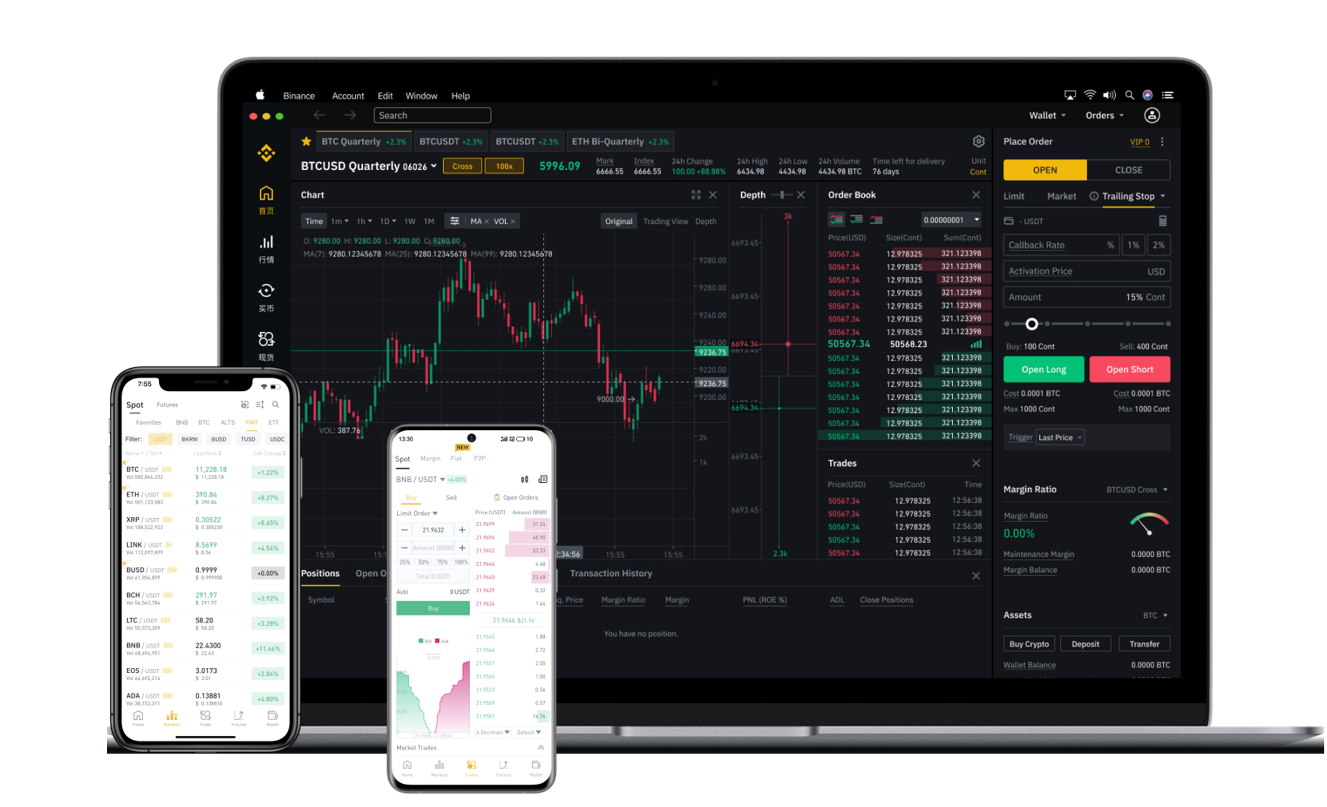
After funding, you can start trading. Binance offers two main interfaces: the "Lite" mode for beginners and "Advanced" for experienced traders. For simple purchases, use the "Convert" feature to exchange CAD for Bitcoin, Ethereum, or other altcoins. For more control, switch to the "Trade" section and use spot trading pairs like BTC/CAD or ETH/USDT. Always set limit orders to avoid paying high fees during volatile markets.
Security is critical for Canadian users. Enable Two-Factor Authentication (2FA) using Google Authenticator or a hardware key. Also, withdraw any large holdings to a private wallet, such as a Ledger or Trezor hardware wallet, instead of leaving them on the exchange. Binance also offers a "Whitelist" feature for withdrawal addresses—enable it to prevent unauthorized transfers.
Be aware of tax implications. The Canada Revenue Agency (CRA) treats cryptocurrency as a commodity, meaning capital gains tax applies when you sell or trade coins. Keep detailed records of all transactions using tools like Koinly or Binance’s own tax report feature. Failure to report can lead to penalties.
Finally, consider alternatives. If Binance becomes fully unavailable in your region, Canadian-friendly exchanges like Newton, Coinbase, or Shakepay offer similar services with local compliance. However, for advanced trading features and lower fees, Binance remains a top choice for many Canadian users outside Ontario.
In conclusion, operating Binance in Canada requires careful attention to provincial regulations, identity verification, secure funding methods, and tax compliance. By following this guide, you can trade crypto safely and efficiently while staying within the legal framework. Always double-check current restrictions before making any transaction.