How to Trade USDC: A Step-by-Step Guide for Beginners and Advanced Users

USDC, or USD Coin, is a type of stablecoin that is pegged to the value of the U.S. dollar. Unlike volatile cryptocurrencies such as Bitcoin or Ethereum, USDC maintains a 1:1 ratio with the dollar, making it a reliable asset for trading and transferring value. If you are wondering how to trade USDC effectively, this guide will walk you through the essential steps, platforms, and strategies.
First, you need to understand that USDC is not typically traded for profit in the same way as other cryptos. Because its value stays close to $1, traders use USDC as a safe haven during market downturns or as a base currency for buying other assets. To begin trading USDC, you must have a cryptocurrency wallet that supports the ERC-20 or Solana network, as USDC is available on multiple blockchains.
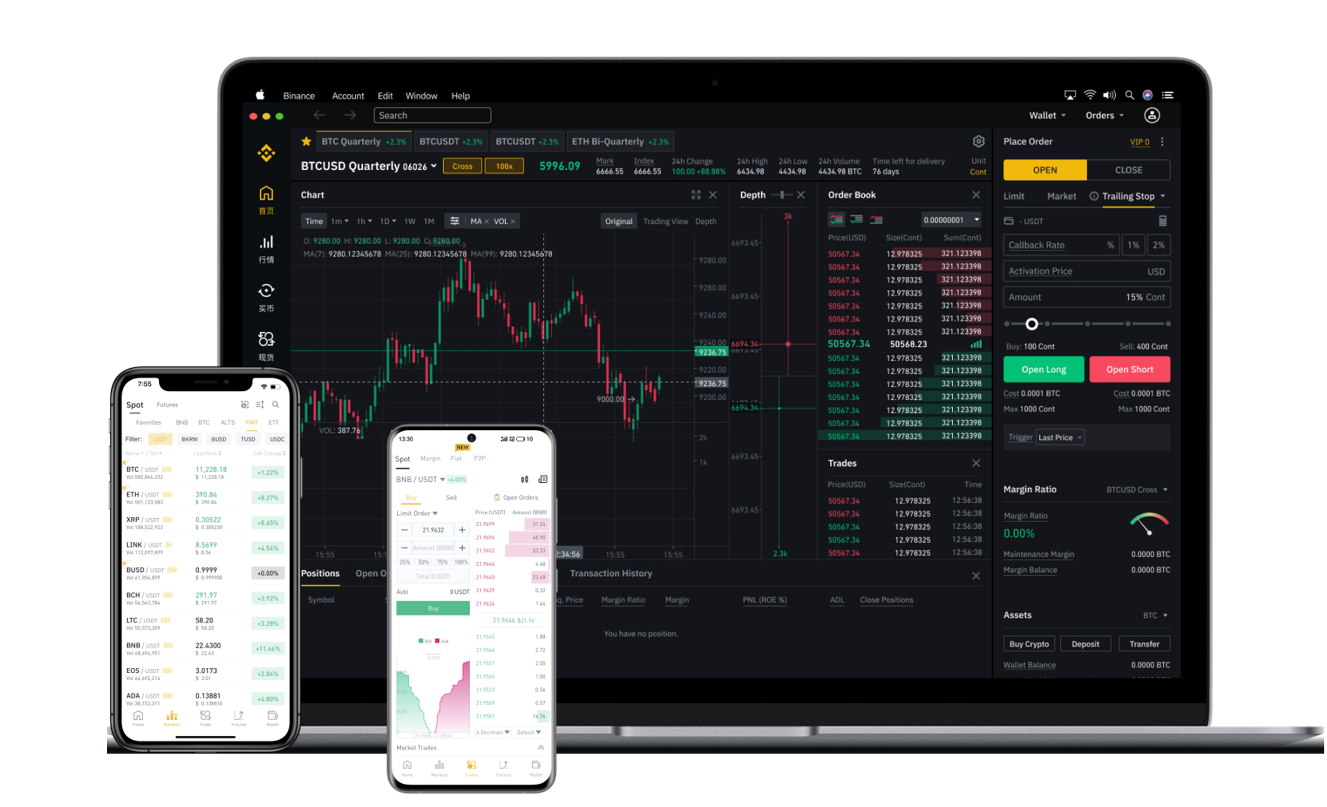
Next, choose a reputable exchange. Popular platforms like Binance, Coinbase, Kraken, and Uniswap allow you to buy, sell, and swap USDC. On centralized exchanges, you can deposit fiat currency (like USD, EUR, or GBP) and convert it directly into USDC. Alternatively, you can trade USDC against other cryptocurrencies. For example, if you hold Bitcoin and want to lock in profits, you can swap BTC for USDC to avoid volatility.
One common strategy is to use USDC for arbitrage. Because USDC is stable, you can move it between exchanges quickly to take advantage of price differences in other coins. For instance, if Ethereum is cheaper on Exchange A than on Exchange B, you can buy ETH with USDC on A and sell it for USDC on B, pocketing the difference. This requires speed and attention to fees, but USDC’s stability makes it ideal for such trades.
Another key use of USDC is in decentralized finance (DeFi). Platforms like Aave, Compound, and Curve allow you to lend your USDC to earn interest, or use it as collateral to borrow other assets. Trading USDC in DeFi involves interacting with smart contracts. You connect your wallet (e.g., MetaMask), select the USDC pool, and approve the transaction. This can yield returns higher than traditional savings accounts, but it also carries smart contract risk.
Liquidity provision is another advanced trading method. On decentralized exchanges like Uniswap, you can add USDC paired with another token (e.g., USDC/ETH) to a liquidity pool. In return, you earn a share of the trading fees. However, this strategy comes with impermanent loss, which occurs when the price of the paired token moves significantly relative to USDC. Understanding this risk is crucial before committing funds.
For direct USDC trading on centralized exchanges, you can use limit orders, stop-loss orders, or market orders. Since USDC’s price is nearly constant, these orders are primarily used to enter or exit positions in other assets. For example, you might set a limit order to buy Bitcoin when it reaches a certain price, funded by your USDC balance. This automated approach helps you execute trades without constant monitoring.
Security is paramount when trading USDC. Always enable two-factor authentication on your exchange accounts and withdraw large amounts to a hardware wallet if you plan to hold USDC for the long term. Be cautious of phishing scams and fake airdrops that ask for your private keys. Additionally, confirm that you are using the correct network address when sending USDC between wallets—sending ERC-20 USDC to a Solana address will result in a permanent loss of funds.
Finally, keep track of transaction fees. On Ethereum, USDC transfers can be expensive during network congestion, sometimes costing $5 or more per transaction. Alternatives like Solana, Polygon, or Stellar offer much lower fees. If you trade frequently, consider using a Layer 2 solution or a faster blockchain to reduce costs. Also, note that some exchanges charge a spread or a fee for converting fiat to USDC, so compare rates before depositing.
In summary, trading USDC is less about price speculation and more about utility. Whether you are using it to hedge against volatility, earn yield in DeFi, or facilitate fast arbitrage, USDC serves as a stable backbone for many trading strategies. Start by selecting a secure wallet and exchange, practice small transactions, and gradually explore advanced methods like liquidity pools or lending. By understanding the mechanics and risks, you can use USDC to enhance your overall crypto trading experience.