Is Binance Exchange Good for Trading? A Comprehensive Review of Features, Fees, and Security

When considering cryptocurrency trading platforms, one question frequently arises among both beginners and experienced traders: “How does the Binance exchange hold up in real-world use?” As the world’s largest crypto exchange by trading volume, Binance offers a vast ecosystem that goes far beyond simple buy-and-sell functions. Understanding its core strengths and potential drawbacks is essential for making an informed decision.
First and foremost, Binance is renowned for its extensive selection of cryptocurrencies. The platform lists hundreds of trading pairs, including major coins like Bitcoin and Ethereum alongside thousands of altcoins and meme tokens. This diversity allows traders to diversify their portfolios without needing to jump between different exchanges. For users exploring niche projects or newly launched tokens, Binance often provides early access through its Launchpad and Launchpool programs, adding unique investment opportunities.
Another major advantage is the fee structure. Binance employs a tiered fee system based on your 30-day trading volume and whether you hold the native BNB token. For spot trading, the standard maker/taker fee starts as low as 0.1%, but using BNB to pay fees can reduce this by 25% or more. High-volume traders and those who stake BNB can access even lower rates. Additionally, withdrawal fees are generally competitive compared to other centralized exchanges, though they can fluctuate depending on network congestion and the specific blockchain used.
Security is a critical factor for any exchange user. Binance has implemented multiple layers of protection, including the Secure Asset Fund for Users (SAFU), which is an emergency insurance fund designed to cover user funds in extreme situations. Two-factor authentication (2FA), withdrawal whitelist addresses, and device management features further enhance account safety. While Binance has faced security incidents in the past—notably a major hack in 2019—the exchange has since strengthened its security protocols and reimbursed affected users fully, which has helped rebuild trust in the community.
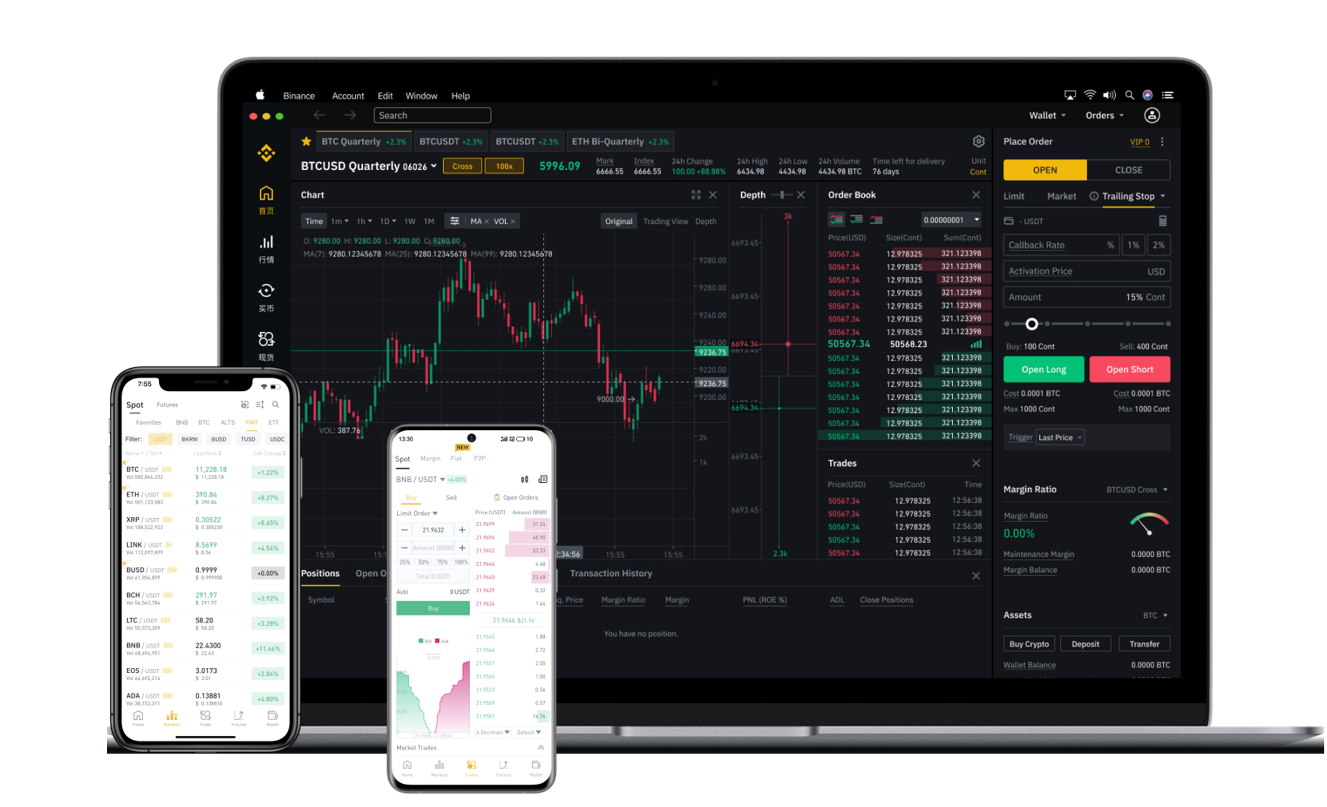
The user experience varies depending on the interface. The standard “Lite” mode is designed for beginners, offering a simple buy/sell interface with clear charts and basic order types. The “Pro” interface, on the other hand, provides advanced charting tools, numerous order types (limit, stop-limit, OCO, trailing stop), and access to derivative markets like futures and options. This dual-interface approach makes Binance accessible to newcomers while still satisfying the needs of professional algorithmic traders. However, some users note that the platform can sometimes feel overwhelming due to the sheer number of features and settings available.
Liquidity is another strong point. As the largest exchange globally, Binance provides deep order books and tight spreads, which means trades are executed quickly and at prices close to the market rate. This is particularly beneficial during volatile market conditions, where lower-liquidity exchanges might struggle with slippage. For day traders and scalpers, this high liquidity is a critical advantage.
On the downside, regulatory challenges have been a persistent issue for Binance in various jurisdictions. In the United States, Binance operates a separate entity called Binance.US, which has a more limited listing selection and fewer features. Users in other regulated regions, such as the UK or Canada, may face restricted access to certain products like leveraged tokens or futures trading. Furthermore, customer support has been a common complaint among users, particularly during periods of high market activity. Response times can be slow for non-VIP users, and the reliance on a chatbot and ticketing system can sometimes be frustrating when urgent issues arise.
Finally, Binance offers a robust mobile app that is feature-rich and reliable for on-the-go trading. The app mirrors most of the desktop platform’s functionality, including spot trading, futures, staking, and even NFT marketplace access. This makes it a convenient choice for users who prefer managing their crypto portfolio from their smartphone.
In summary, the Binance exchange performs very well for the vast majority of traders who need low fees, high liquidity, and a broad asset selection. Its dual interface design, extensive security measures, and additional earning features like staking, savings, and mining pools make it a versatile tool. However, potential users should be aware of the regulatory landscape in their own country and the variable quality of customer support. For those who can navigate these regional limitations, Binance remains a top-tier choice in the cryptocurrency exchange market.